

6 Truths You Should Know About the R-22 Phase-Out When Handling HVAC Claims
The federal regulations pertaining to refrigerant are constantly evolving, and there’s a big deadline looming on the horizon. As of January 1, 2020, it’ll be illegal to manufacture any R-22 refrigerant per the EPA’s ruling. As an insurance adjuster, navigating such regulations in terms of HVAC claims can get pretty confusing. So, what does this phase-out mean for your claims?
There are a lot of terms and discussions surrounding the R-22 phase-out, including a lot of myths and misdirections. At HVACi, we want to clear some of these up for insurance adjusters like you. So, here are some statements, myths, and misconceptions about the R-22 phase-out and the truths behind them.
#1. R-22 is illegal: MYTH
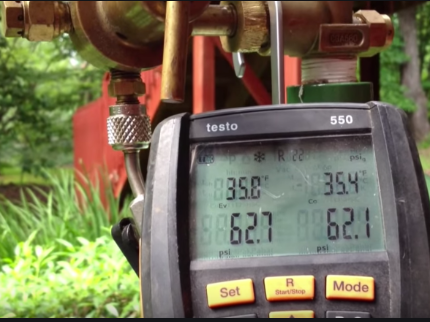 You might hear this often, particularly when contractors provide estimates claiming that you must replace the entire HVAC system. The reality is that the production and importation of R-22 are illegal, but the substance itself is legal. It is also important to note that intentionally releasing R-22 into the atmosphere is illegal, so it must be properly reclaimed or recycled. The use of R-22 in HVAC systems already in existence is completely legal. (Pictured: A digital meter reading that R-22 is low)
#2. Recycled and reclaimed R-22 are the same: MYTH
Many confuse recycled refrigerant and reclaimed refrigerant and use the terms interchangeably. In truth, recycled R-22 removes some of the contaminants through separation and filtration, and recycled R-22 can only be used in the same system it was taken from. Reclaiming R-22 is a much more involved process that removes all impurities from the refrigerant, and the EPA requires reclaimed refrigerants to meet the same purity standards as virgin (newly produced) counterparts.
#3. Virgin and reclaimed R-22 are about the same: FACT
Virgin and reclaimed R-22 are indistinguishable from each other. They have the same specifications and efficiency and must meet the same purity standards. In other words, reclaimed R-22 is the perfect replacement for virgin R-22 without having to make any changes or replacing the existing system. Companies will continue making parts and components for R-22-based HVAC systems, so these systems can often be repaired. And again, yes, this is perfectly legal.
#4. R-410a is the primary option for R-22 replacement: FACT
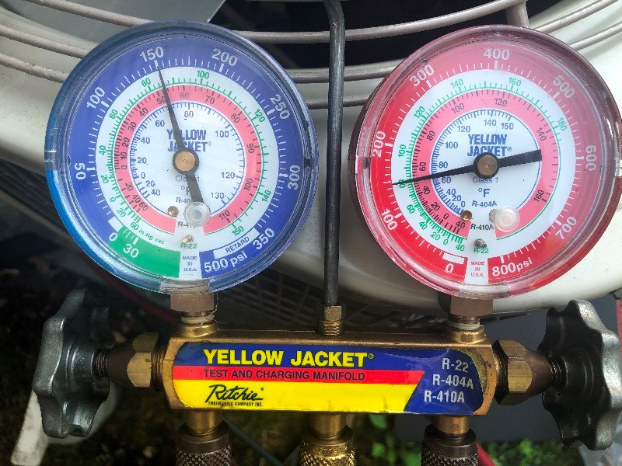 R-410a is the main refrigerant the industry is switching to at the moment. It’s important to note, however, that you can’t drop R-410a into an existing R-22-based system. These refrigerants operate at different pressures and typically use different oils as lubricants, meaning that serious problems will arise if you try this. (Pictured: An analog meter with both R-22 and R-410A gauges)
#5. R-410a has no ozone-depleting properties: FACT, BUT…
R-410a has an ozone-depletion potential (ODP) rating of 0, whereas R-22 has an ODP of 0.055 (as stated by the International Organization of Scientific Research). This is great news, as the main reason R-22 is being phased out is its ozone-depleting properties. Unfortunately, that’s not where the story ends. R-22 has a global warming potential (GWP) of 1810, while R-410a’s GWP is higher, reaching 2088 (according to the EPA). That means that while there’s no harm done to the ozone layer, the use of R-410a could potentially contribute more to climate change. For this reason, many companies and countries are looking into other options.
#6. R-410a is the only option for R-22 replacement right now: MYTH, BUT…
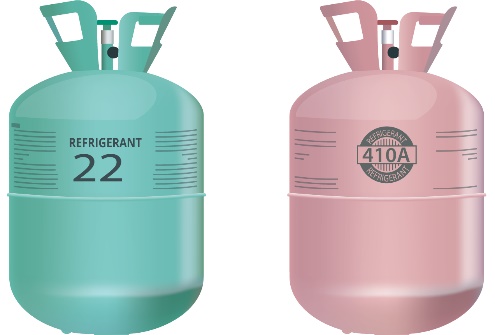 There may be other options, but R-410a (Pictured: Canisters for refrigerant) is the only one that is industry standard and accepted nationwide. Any R-22 alternatives are required to have an ODP of 0, but some have higher GWPs than R-410a. There is a list of R-22 substitutes deemed acceptable and unacceptable by the Environmental Protection Agency’s Significant New Alternatives Policy (SNAP). It is also important to keep in mind that many of these alternatives have use conditions. R-410a is the primary focus right now due to its status as the industry standard, but there is research into new alternatives due to R-410a’s GWP.
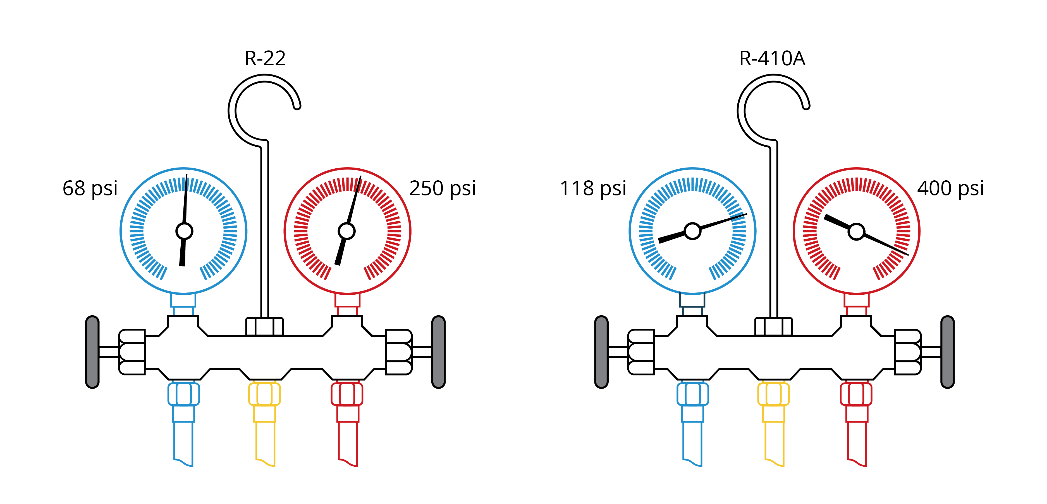
Pressure requirements for R-22 and R-410A
What Can You Do When You’re Dealing with R-22?
When an R-22 HVAC system claim comes to your desk, you want to make sure your adjustment of that claim is thorough and accurate, which is why it’s important to know all of your options when handling these claims. If you’re not sure a contractor’s solution is necessary or adheres to the federal guidelines regarding refrigerant, talk to the experts at HVACi. We’ll answer your questions, run a desktop review, or even provide an onsite inspection to offer completely objective advice on the cause of loss, repair costs, replacement costs, and more. Don’t hesitate! Submit a claim today to get started and be more confident in your adjustments.